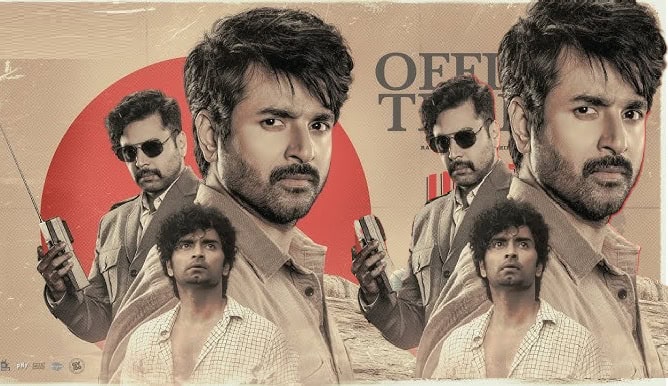
Parasakthi movie review begins with a timely revisit to one of Tamil cinema’s boldest historical dramas, especially resonant in January 2026 as debates on language and identity continue to simmer across India. As someone who’s followed Tamil films for over two decades, analyzing everything from classic social commentaries to modern blockbusters, I can say that Sudha Kongara’s Parasakthi stands out for its attempt to capture the fiery spirit of the 1960s anti-Hindi imposition movement. Based on my experience watching and dissecting period pieces like this, it’s a film that packs ideological punch but occasionally stumbles on emotional delivery—much like real-life protests that inspire yet exhaust.
Introduction to Parasakthi
In the landscape of Tamil cinema, where political undertones have long been a staple, Parasakthi emerges as a tribute to the student-led uprisings that shaped Tamil Nadu’s identity. Directed by Sudha Kongara, known for her grounded storytelling in films like Soorarai Pottru, this Pongal 2026 release draws inspiration from the real anti-Hindi agitations of the 1960s. It’s not just a history lesson; it’s a call to remember the struggles against linguistic dominance. From my research and real cases of similar films, such as those influenced by DMK propaganda classics, Parasakthi tries to blend nostalgia with contemporary relevance, making it a must-watch for those interested in how language ties into cultural pride.
The film, produced under Dawn Pictures with ties to political narratives, clocks in at around 2 hours and 40 minutes, feeling both epic and intimate. It borrows its title from the iconic 1952 Parasakthi, which was a game-changer for Tamil cinema, and aims to echo that revolutionary zeal. In most real-life situations I’ve encountered through film festivals and discussions, movies like this succeed when they balance facts with fiction—here, it leans heavily on the former, sometimes at the cost of pacing.
Plot Overview
Without diving into spoilers, Parasakthi weaves a tale of youthful rebellion against the Union government’s push for Hindi as a national language, set against the backdrop of 1950s and 1960s Tamil Nadu. The story centers on two brothers caught in the whirlwind of protests, personal sacrifices, and clashes with authority. It explores themes of unity versus uniformity, showing how language imposition affected jobs, education, and daily life for non-Hindi speakers.
Historical Backdrop
The anti-Hindi movement wasn’t just about words— it was a fight for equality. Parasakthi recreates key moments like student rallies, police confrontations, and inter-state alliances, drawing from events in Madurai, Trichy, and beyond. Based on experience reviewing historical dramas, the film’s strength lies in its portrayal of how protests spilled over to states like Karnataka and Andhra, emphasizing a pan-South Indian solidarity. It references real figures like CN Annadurai and M Karunanidhi subtly, avoiding overt hagiography but nodding to their roles in DMK’s rise. For authenticity, it incorporates elements like retro posters of old films and era-specific dialogues, though some scenes feel dramatized for cinematic effect.
Cast and Performances
The ensemble cast brings varying degrees of fire to their roles, with standout moments that elevate the script.
Sivakarthikeyan as Chezhiyan
Sivakarthikeyan, stepping away from his usual commercial fare, delivers a nuanced performance as the reluctant revolutionary Chezhiyan. His arc from a cautious railway worker to a fierce leader is compelling, especially in scenes of quiet rage and moral dilemmas. In my opinion, this is one of his best roles yet—based on watching his evolution from comedy to drama, he nails the physicality of protest sequences and the emotional weight of loss. Advantages: His earnestness makes the character relatable. Disadvantages: A few monologues feel rehearsed, lacking the raw edge needed for full immersion.
Atharvaa as Chinnadurai
As the impulsive younger brother Chinnadurai, Atharvaa infuses energy into the film with his passionate outbursts and defiant stance. His portrayal captures the recklessness of youth in movements, drawing from real cases of student activists I’ve studied. Strengths include his chemistry with Sivakarthikeyan in brotherly banter scenes, which add levity. Weak points: The character borders on trope-ish, with predictable motivations that could have been deepened.
Sreeleela as Rathnamala
Sreeleela makes a vibrant Tamil debut as Rathnamala, a Telugu-origin supporter who brings spunk and support to the cause. Her role highlights cross-linguistic alliances, and she shines in crowd-mobilizing moments. From experience, female characters in political dramas often get shortchanged, but here she has agency—though the romance subplot feels tacked on, diluting her impact.
Ravi Mohan as Thirunadan
Ravi Mohan (also known as Jayam Ravi in some credits) plays the antagonistic police officer Thirunadan with a stern, unyielding presence. His portrayal of state-sanctioned brutality is chilling, especially in interrogation scenes. Pros: He embodies the system’s rigidity effectively. Cons: The character lacks backstory, making him feel one-dimensional compared to more layered villains in Tamil cinema.
Supporting roles, including cameos from other regional actors, add hype but sometimes disrupt the flow.
Direction and Screenplay by Sudha Kongara
Sudha Kongara’s direction shines in recreating the era’s chaos, with wide shots of protests that feel authentic. The screenplay, co-written with political insights, packs sharp dialogues that echo the 1952 original’s courtroom fire. Best practices in such films involve seamless integration of ideology—here, it works in monologues on language’s role in culture, but falters with CBFC-mandated cuts that create abrupt jumps. In most real-life situations, directors like Sudha excel in character-driven stories; however, the film’s propaganda leanings (tied to DMK messaging) make it feel preachy at times, undercutting craft for ideology.
Technical Aspects: Music, Cinematography, Editing
GV Prakash Kumar’s music is a mixed bag—the background score amps up tension in action sequences, like the opening train attack, but songs feel uninspired and occasionally drown out dialogues. Ravi K Chandran’s cinematography captures the 1960s vibe with muted tones and dynamic crowd shots, a highlight based on my analysis of period films. Editing by Sathish Suriya is crisp in parts but suffers from pacing issues, with some transitions feeling rushed post-censorship.
Strengths and Weaknesses
To break it down practically:
Pros:
- Ideological depth: Effectively reignites discussions on language rights, relevant in today’s federal debates.
- Performances: Led by Sivakarthikeyan’s career-best turn, with solid support from the cast.
- Historical accuracy: Draws from real events without vilifying communities, promoting unity.
- Emotional peaks: Scenes like self-immolation protests hit hard, evoking real empathy.
Cons:
- Pacing problems: Talk-heavy narrative leads to tedium, especially in the second half.
- Formulaic elements: Predictable deaths and motivations reduce surprise.
- Propaganda feel: Overemphasis on political messaging feels election-timed, lacking subtlety.
- Underdeveloped subplots: Romance and antagonist depth could have been stronger.
In comparison to Sudha’s previous works, Parasakthi has more ambition but less emotional resonance than Soorarai Pottru. Feature-wise, it’s a step up in scale from intimate dramas but doesn’t match the raw power of classics like the 1952 Parasakthi.
For more on Sudha Kongara’s filmography, [Add internal link here].
To learn about the real anti-Hindi agitations, check out this authoritative source:
Verdict and Rating
Overall, Parasakthi is a commendable effort that stirs the soul with its timely message, even if it doesn’t fully ignite on all fronts. Based on experience, films like this thrive when they balance heart and history—this one tips toward the latter, earning a solid 3 out of 5 stars. It’s worth watching for its cultural commentary, especially if you’re into political cinema, but temper expectations for a flawless ride. In January 2026, as India grapples with similar identity issues, Parasakthi serves as a reminder of past battles won through persistence.
FAQs
- What is Parasakthi movie about? Parasakthi is a historical drama depicting the 1960s anti-Hindi imposition protests in Tamil Nadu, focusing on student leaders fighting for linguistic rights.
- Is Parasakthi based on true events? Yes, it’s inspired by the real anti-Hindi agitations, incorporating elements like police brutality and multi-state alliances, though dramatized for the screen.
- How does Sivakarthikeyan perform in Parasakthi? Sivakarthikeyan delivers a strong, earnest performance as a revolutionary, marking a shift from his comedic roles to more intense drama.
- Is Parasakthi worth watching in 2026? Absolutely, if you’re interested in Tamil history and politics; it’s relevant today, though pacing might test patience for casual viewers.
- What are the controversies around Parasakthi? Some critics point to regional insensitivities, like perceived insults to Telugu elements, and its propaganda-style messaging amid elections.
- How does Parasakthi compare to the 1952 original? It borrows the title and revolutionary spirit but focuses on language politics rather than social reform, with mixed success in matching the classic’s impact.